
Palliative Care and Herbal Management of Symptoms

Palliative Care and Herbal Management of Symptoms

Being the end of National Palliative Care Week and Natural Medicine week I thought this topic was perfect.   This is an area that is very close to my heart, as I have worked as in a Palliative Care Ward for over 9 years as an administrator, and then had my grandmother go through palliative care.  This is a very important topic to have with your family so that you can maintain the quality of life and manage your symptoms.  

Palliative Care means specialized medical care for people living with a terminal  illness. The type of care is focused on providing relief from the symptoms and stress of the illness. The goal is to improve the quality of life for both the patient and the family. Death is a physiological process, and as such symptoms could be managed using an integrated approach

Herbs for generalised pain – California poppy, corydalis, Jamaica dogwood, willow bark.

Herbs for Nausea/vomiting -antiemetic bupleurum, cinnamon, cloves, fennel, fringe tree, gentian, ginger, glove artichoke, peppermint, St Mary’s Thistle.

Mouth Ulcers – mouth wash can be made up to help with these depending on the patient’s ability to be able to do this.  

Herbs for Anxiety – for example, Fear of dying could be managed with bacopa, California poppy, hawthorn, hops, Jamaican dogwood, valerian, zizyphus, chamomile, motherwort.

Herbs to manage Depression – damiana, lavender, lemon balm, oats green, vervain, skullcap, valerian

Herbs to assist with Constipation – cascara, damiana, dandelion leaf and root, fringe tree, gential, Licorice, marshmallow root.

Herbs for Coughs/respiratory issues -antibiotic if infection and acute. Fennel, Licorice, marshmallow, mullein, peppermint, thyme, wild cherry.  

Herbs for the management of Diarrhoea – chamomile, bayberry, cinnamon, green tea, grape seed meadowsweet, ladies mantel, mullein.

Herbs to assist with Insomnia – bacopa, California poppy, chaste tree, hops, Jamaican dogwood, kava, lavender, lemon balm, Mexican valerian, passionflower, Withania.

Herbs to manage Fatigue – astragalus, kola nut, Korean ginseng, oats seed, rehmannia, sage, sarsaparilla, Schisandra, skullcap, Siberian ginseng.

Herbs to stop the Itching – topically using ladies mantle and peppermint.

Herbs for Neuralgia – topically using cayenne and peppermint. Orally using California poppy, hops, Jamaica dogwood, wood betony, kava, motherwort and skullcap. 

Herbs can be prepared in many forms, tincture, creams, liquid medication, poultice, and everything is always checked against your current medication.  And as you can see some herbs do double duty.

Book now with your Herbalist

Get your one on one consult and a tailor-made herbal scripts.  All available online and delivered straight to your door, checking for adverse reactions with current medications and supplements.

Moods and Herbal Medicine

Stress is a natural physical and mental reaction to life experiences.  Everyone experiences it from time to time and everyone’s body will react differently to it.  There are many herbs designed to help your bodies response to stress.  Stress effect body systems such as nervous, immune, cardiovascular, reproductive, sexual and digestive.  Some people are used to a lot of stress and there for the effects may be quite subtle to that person, it could be trouble sleeping to an upset stomach that you put down to something else.  A simple thing you can do at home is drinking herbal teas such as peppermint, Chamomile, Lemon balm, Valerian and Lavender before going to sleep is usually the best time, but a couple throughout the day would also be beneficial.  Another beneficial thing is mediation and yoga and other relaxing exercise activities.

Here a list of Herbs that can assist with different types of stress, when dispensed with a consultation by a Herbalist/Naturopath:

  • Depression – Chaste tree, Schisandra, Oats green, Passionflower
  • Irritability – Lemon balm, Mexican Valerian, Passionflower, Skullcap, Vervain.
  • Stress – physical – Korean ginseng, Licorice, Sarsaparilla, Schisandra, Withania
  • Stress – emotional California poppy, Corydalis, Jamaica dogwood, Kava, Skullcap, Valerian.
  • Panic attacks – California poppy, Hops, Kava, Mexican valerian.

Of course, there are many different ways to take these herbs, and as you can see many herbs do double duty.  So If you feel you suffer from stress, you should make an appointment with me, your doctor or another qualified professional please do not suffer alone, many things can assist in bringing peace to your body and mind.

Book now with your Herbalist

Get your one on one consult and a tailor-made herbal scripts.  All available online and delivered straight to your door, checking for adverse reactions with current medications and supplements.

Supplements, Medications and Herbal Medicine

Supplements, Medications and Herbal Medicine

Are you buying over the counter, herbal medications, vitamins and supplements may interact in harmful ways with over-the-counter or prescription medicines you are taking? Has the person that recommended them to you checked with you what other medications you are on? I personally have been in a pharmacy where the assistant offers advice on herbal medicine, by reading the label, they haven’t asked any questions and happily rung up the purchase, this could be very dangerous for the person taking them, never assume the pharmacy that you have been going to for 20 years knows all the medications you are on and have you told them that you are taking any other supplements as well, recent illness or surgeries, its all very important information.

Taking herbal supplements may decrease the effectiveness of other drugs/vitamins/minerals you are taking or may increase the negative side effects, if not checked with a professionally trained Herbalist, Naturopath or Chemist.

If you are considering taking herbal medications it is always a good idea to talk to your Doctor and Herbalist/Naturopath about possible side effects and interaction with other medications you are taking.

This is why integrative medicine is so important, that way you have to best outcome as a patient. Herbalists and Naturopaths are required to take into consideration all your medications with includes supplement brought over the counter.  You should always be wary of anyone that provides over the counter advise on supplements and herbs without knowing your medication history if you are having or had recent surgery and your general medical history.  All these things can impact on medications, supplements and herbal prescriptions.

For example, St John’s Wort interacts with a lot of medications and some of those interactions are potentially very harmful.  Certain Herbal Supplements should be ceased 7 days prior to surgery.  You should take herbal medications 2 hours away from all other medication and vitamins as it may interfere with the effectiveness of the drug/vitamin/supplement.  Certain herbs are a big no-no if you are on Warfarin or other anticoagulant therapies.  The list could go on and on, best to be safe than sorry see a professional.

Book now with your Herbalist

Get your one on one consult and a tailor-made herbal scripts.  All available online and delivered straight to your door, checking for adverse reactions with current medications and supplements.

Fluid Retention – Help is at hand

Fluid Retention – Help is at hand

Fluid Retention is caused when the body doesn’t remove water from the tissues returning it to the blood system.  The circulatory system, the kidneys, the lymphatic system, hormonal factors, and other bodily systems all help maintain healthy fluid levels.

Sometimes it can cause painful swollen feet, unexplained weight gain, bloating etc.  Other symptoms to look for if you think you might be experiencing this are swelling, shiny or puffy skin, areas of skin that remain indented if you press your finger to them, changes in skin colour and stiffness in joints.

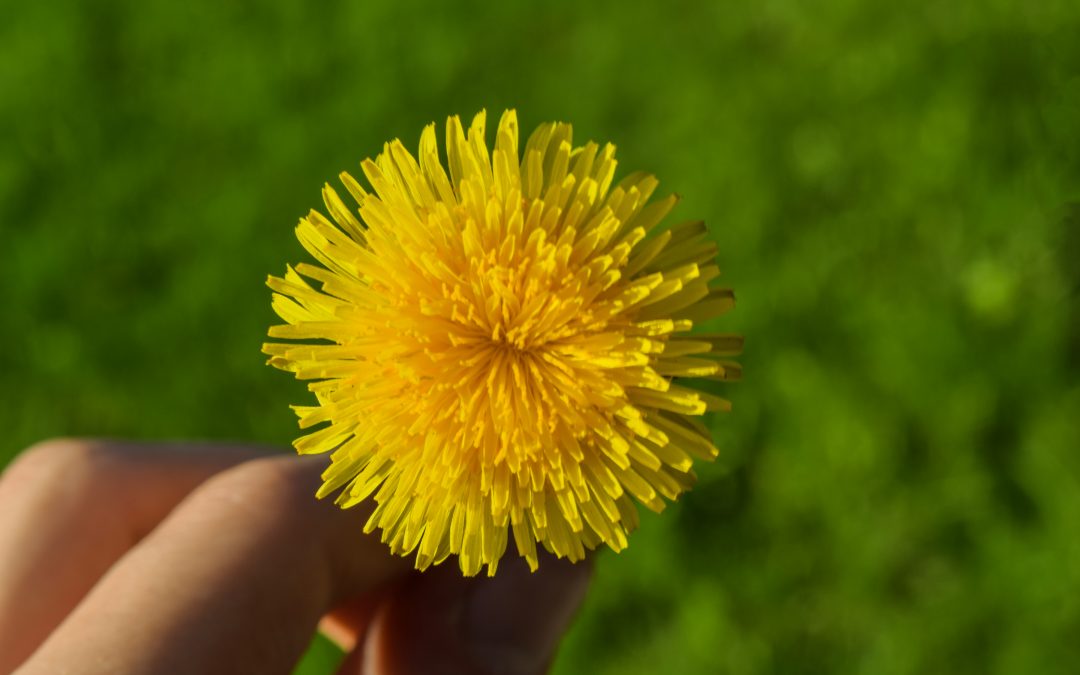
What herbs can I use to combat these, well Dandelion has long been used in this condition.  Other herbs also are used to combat this condition such as Ginger, Parsley, Hawthorn and Juniper.  It is best to seek advice from a Herbalist or Naturopath before commencing any herbal medication as some may interact with medications you are currently on.  

But a simple way to try and use herbs is as a tea. Dandelion is a natural diuretic to make the tea simply add one and a half tablespoons dried dandelion root (available from health food shops) to a litre of water and bring to the boil, let simmer for about 15 minutes and drink 2- 4 cups per day.  

You can add parsley and ginger to your food on a regular basis.  As well as Turmeric which has a great anti-inflammatory use.  

Another great support is a Lymphatic massage which should be carried out by a professionally trained masseuse.

If you have any questions, queries or concerns, contact me and we will work on a plan to relieve your symptoms together.

Book now with your Herbalist

Get your one on one consult and a tailor-made herbal scripts.  All available online and delivered straight to your door, checking for adverse reactions with current medications and supplements.

Garlic Herbal Superhero

Garlic Herbal Superhero

Garlic a Herbal Superhero

Garlic, often used in foods for flavour but did you know how many other uses it has?

For instance:

1.  Hypocholesterolemic – this means it has a cholesterol-lowering effect on the body.

2.  Hypotensive – meaning it lowers blood pressure.

3.  Antifungal – fights against fungal infections in the body.

4.  Antiparasitic – fights again parasites in the body.

5.  Antibacterial – fights again bacteria infections in the body.  

Garlic has long been used by herbalist in combating the symptoms of such conditions as, common cold, influenza, asthma, sinusitis, hay fever, reducing heaving metal load in the body.  It has been used for combating intestinal worms and for peptic ulcers (helicobacter). 

The only area of caution in using garlic is for those people who are anticoagulants and antiplatelet drugs where it is used for medicinal purpose.  It should be cancelled at least 10 prior to surgery if being used for medicinal purposes.

Interesting fact, have you ever woken up in the middle of night with earache?  Well a clove of garlic warmed slightly and gently placed into the outer ear can be useful to reduce pain, and relieve ache.  Or use warmed garlic oil (I use Thompson Garlic Peals myself, just pierce and use), until you can get to you GP.  

The recommended dose is around 6-18 grams per day to be in the therapeutic range.   You should always see a qualified practitioner such as a herbalist, nutritionist or naturopath for information relating to your specific requirements for use in a medicinal purpose.  Make sure your practitioner is registered with a governing body, this means they have had to keep up to the regulations supplied by the governing body and undertake regular education requirements.  

If you feel like this could be useful please book in with me, together we will find a solution tailor-made to you.

Book now with your Herbalist

Get your one on one consult and a tailor-made herbal scripts.  All available online and delivered straight to your door, checking for adverse reactions with current medications and supplements.